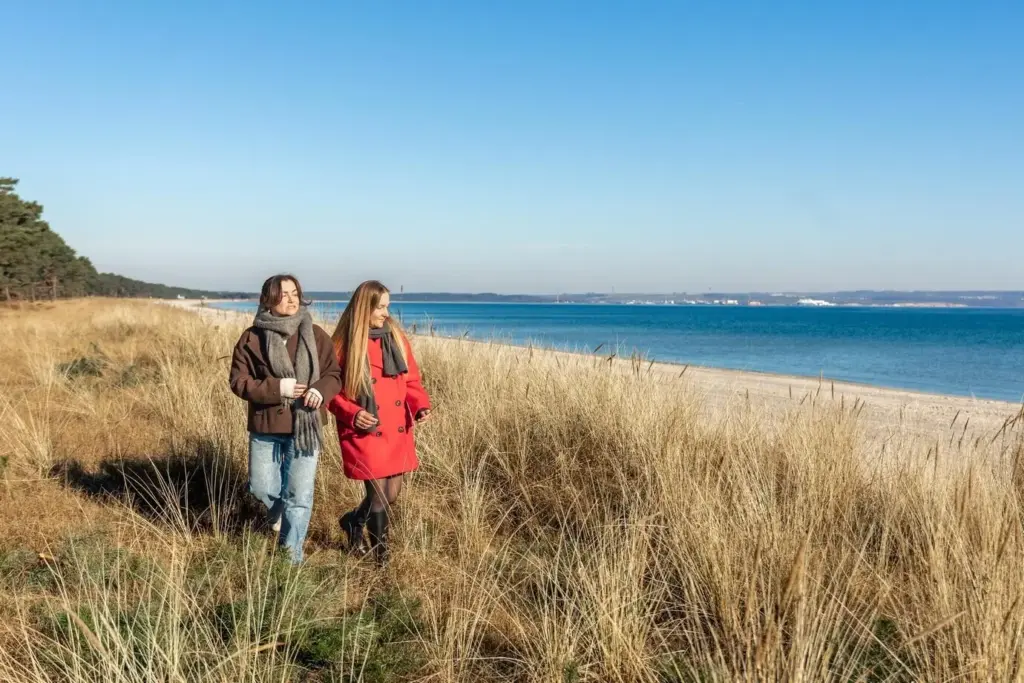


Smart Family Getaways Between Semesters

Families can confidently balance school calendars with shoulder-season cruising by mapping district schedules, securing teacher cooperation, and choosing itineraries that enrich learning. We explore practical timelines, real examples, and kid-friendly routines that protect grades while unlocking better prices, calmer ports, and unforgettable shared memories. Join in, compare notes, and shape a plan that fits your classroom obligations and your wanderlust without needless stress.

Plotting the Calendar: Finding Hidden Windows

Start by overlaying school calendars with regional shoulder periods, noting teacher workdays, early releases, and standardized testing blocks. Identify clusters that create three to seven day windows, and add buffers before and after. This proactive view reveals departures that minimize absences, downplay makeup work, and maximize crowd-free exploration.

Selecting the Right Cruise in Shoulder Season

Match itinerary length to the available window, then assess weather patterns, sea conditions, and port hours typical for shoulder months. Smaller ships may reach cozier harbors, while larger vessels offer robust kids’ clubs during cooler days. Read recent traveler reports to validate crowd levels, excursion availability, and onboard programming.

Partnering with Teachers and Administrators

Open with appreciation for your child’s growth, then outline dates, educational tie-ins, and your commitment to assignments. Invite feedback, avoid assumptions, and confirm you will accept consequences for policies. A concise, considerate message often invites partnership, recommended resources, and sometimes flexible due dates that make planning realistic.
Break work into travel-friendly chunks: reading during embarkation, problem sets on sea days, and reflection notes after excursions. Share a simple schedule with teachers, photograph completed pages as backup, and upload when connected. Clear expectations reduce stress aboard, support grades, and prove responsibility to everyone involved in learning.
Review district rules for excused absences, pre-approval forms, and limits before dates are locked. Keep copies of tickets, daily agendas, and museum receipts. Request assignments in advance, and confirm return dates. Organized documentation removes ambiguity, protects students, and reassures administrators that education remains central throughout the journey.

Budget Smarts for Off-Peak Sailings

Shoulder-season sailings often deliver lower fares, discounted airfare, and upgraded cabin choices. Track price trends, watch for resident or educator rates, and use refundable deposits to hold space while school conversations unfold. Build a modest contingency fund for rescheduling, and prioritize experiences over souvenirs for lasting value and flexibility.

Book Timing, Deposits, and Fare Drops

Reserve early to capture ideal cabins, then set alerts for reductions and ask about reprice policies. Choose refundable deposits during approval phases. When prices fall, request adjustments or onboard credit. Strategic timing locks value while protecting options, letting families finalize decisions only after school logistics are fully aligned.
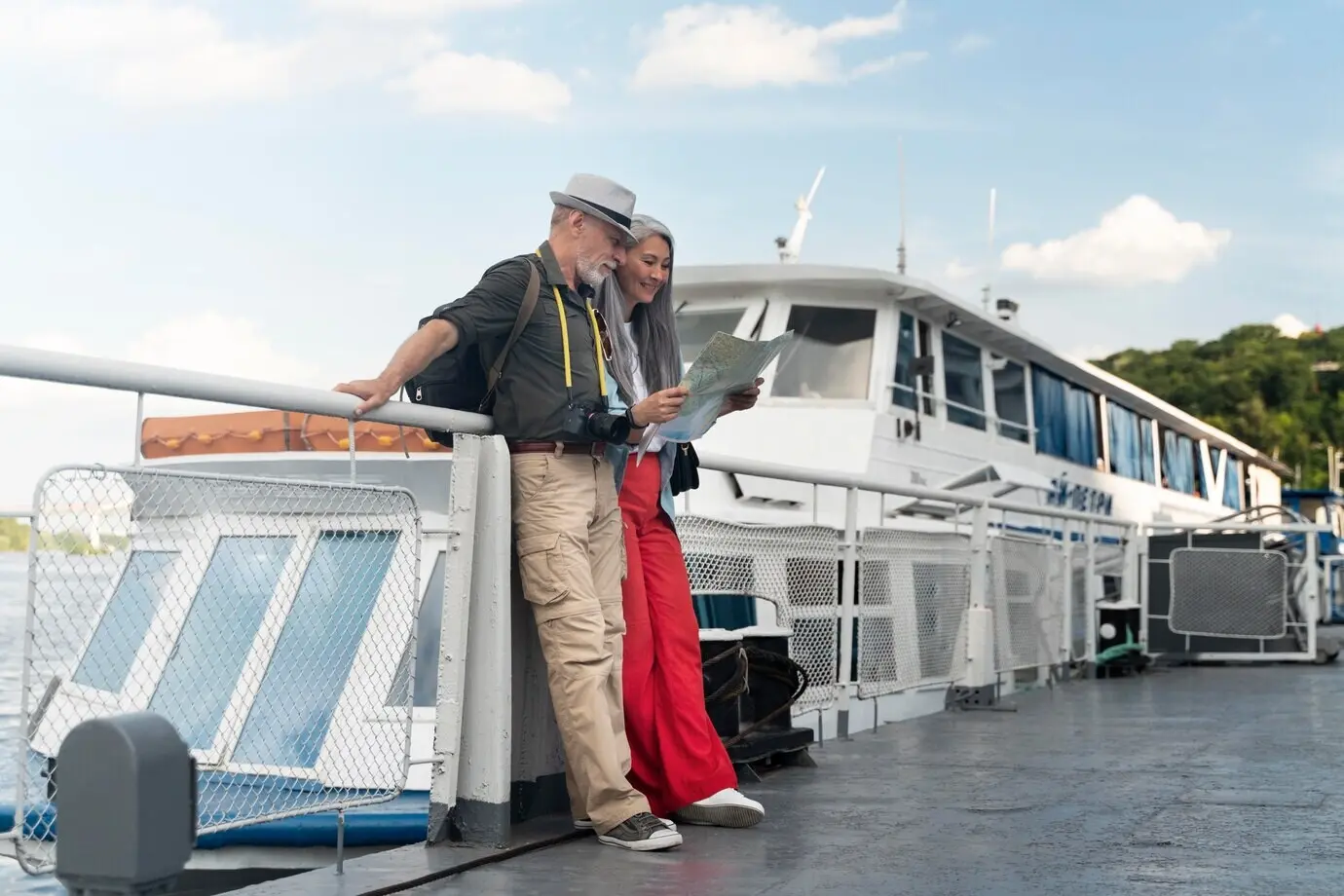
Flights, Airports, and Post-Cruise Flex

Fly into embarkation cities a day prior, targeting mid-afternoon arrivals to dodge peak delays. Pick alternate airports with reliable ground links. On return, book later flights, or an overnight, to cushion customs and fatigue. Flexibility saves connections, preserves morale, and keeps Monday morning classrooms cheerful, punctual, and focused.

Travel Insurance That Matches School Realities

Choose policies covering schedule changes, illness, and academic conflicts. Verify cancellation-for-any-reason windows and documentation requirements. Add medical coverage that includes ship infirmaries and overseas clinics. The right policy transforms uncertainty into manageable risk, shielding budgets and ensuring students return ready, healthy, and organized for the lessons waiting at home.

Onboard Routines That Keep Learning Alive

Structure days with short study bursts, meaningful family conversations, and restorative downtime. Use ship libraries, quiet lounges, and shaded decks for focus. Celebrate small wins with pool breaks or gelato. When routines feel light yet consistent, kids maintain momentum, adults relax, and everyone returns home proud of balance achieved.

The 45-Minute Study Sprint

Set a timer, remove distractions, and tackle one subject per sprint. Pair math with sea days and reading with late sail-aways. End with a quick check-in and sticker chart. Short, predictable blocks keep resistance low and progress visible, supporting confidence long after the ship’s horn fades.

Wi‑Fi, Downloads, and Offline Workarounds

Before sailing, download textbooks, videos, and worksheets, then test apps in airplane mode. Purchase modest Wi‑Fi for uploads, but batch syncing to minimize cost. Use note-taking on shore Wi‑Fi where possible. Thoughtful prep prevents tech surprises, keeps learning smooth, and preserves precious minutes for sunsets, shows, and stargazing.

Turning Deck 5 Into a Floating Classroom

Turn a quiet promenade into a curiosity lab: identify constellations, sketch hull designs, and calculate distances between ports. Invite kids to present findings at dinner. Blending play with inquiry builds ownership, cements memory, and shows that discovery thrives wherever family imagination and a salty breeze meet.

Home Again: Reintegration Without the Overwhelm

Catch‑Up Timeline for the First Week Back

Map a realistic cadence: Monday organize materials, Tuesday meet teachers, Wednesday submit key assignments, Thursday review notes, Friday celebrate progress. Keep afternoons light, prioritize sleep, and pause new commitments. A gentle ramp restores rhythm quickly, showing educators and kids alike that responsibility and joy can thrive together.

Memory Projects That Double as Extra Credit

Transform souvenirs and journals into persuasive presentations: route maps annotated with mileage, photo essays linked to standards, or short videos summarizing field observations. Share drafts for feedback. These artifacts showcase rigorous learning, encourage pride, and sometimes earn extra credit that neutralizes absences while inspiring classmates to explore responsibly.

Share, Subscribe, and Plan the Next Shoulder Escape

Compare calendar strategies with other families, ask questions, and subscribe for fresh planning prompts timed to new school releases. Your stories help refine checklists, surface destination ideas, and build courage for first-timers. Community momentum keeps practical wisdom circulating so the next voyage aligns even more gracefully with academic life.
Kevuviruvero
Privacy Overview

This website uses cookies so that we can provide you with the best user experience possible. Cookie information is stored in your browser and performs functions such as recognising you when you return to our website and helping our team to understand which sections of the website you find most interesting and useful.