
Layer Up Like a Pro: Packing Smart for Shoulder-Season Cruises
Forecast Foresight: Reading the Sky Before You Zip the Suitcase
Tools You Can Trust
Combine Windy and Meteoblue for visualized fronts, add NOAA Marine or Met Office shipping bulletins for warnings, and check port authority webcams for real conditions. Ensemble models reveal uncertainty, dew point hints clamminess, and UV index informs midday layers. Translate numbers into practical choices, not panic-driven packing.
Interpreting Maritime Microclimates
Onboard wind accelerates over open decks, making mild forecasts feel brisk, while leeward promenades can feel five degrees warmer. Cold spray chills quickly, sun on black decking radiates heat, and fog traps dampness. Anticipating these contrasts guides smarter layering, especially for early departures and sunset sailaways.
Building a Flexible Plan From the Data
Use temperature ranges to predefine outfits: base plus light fleece for 8–12°C, base plus insulated mid-layer for 3–7°C, shell always packed when precipitation probability exceeds forty percent. Slot garments into cubes by scenario, not day. This approach keeps spontaneity alive while preventing cold, wet regrets.
The Layering System That Works From Deck Sunrise to Glacier Dusk
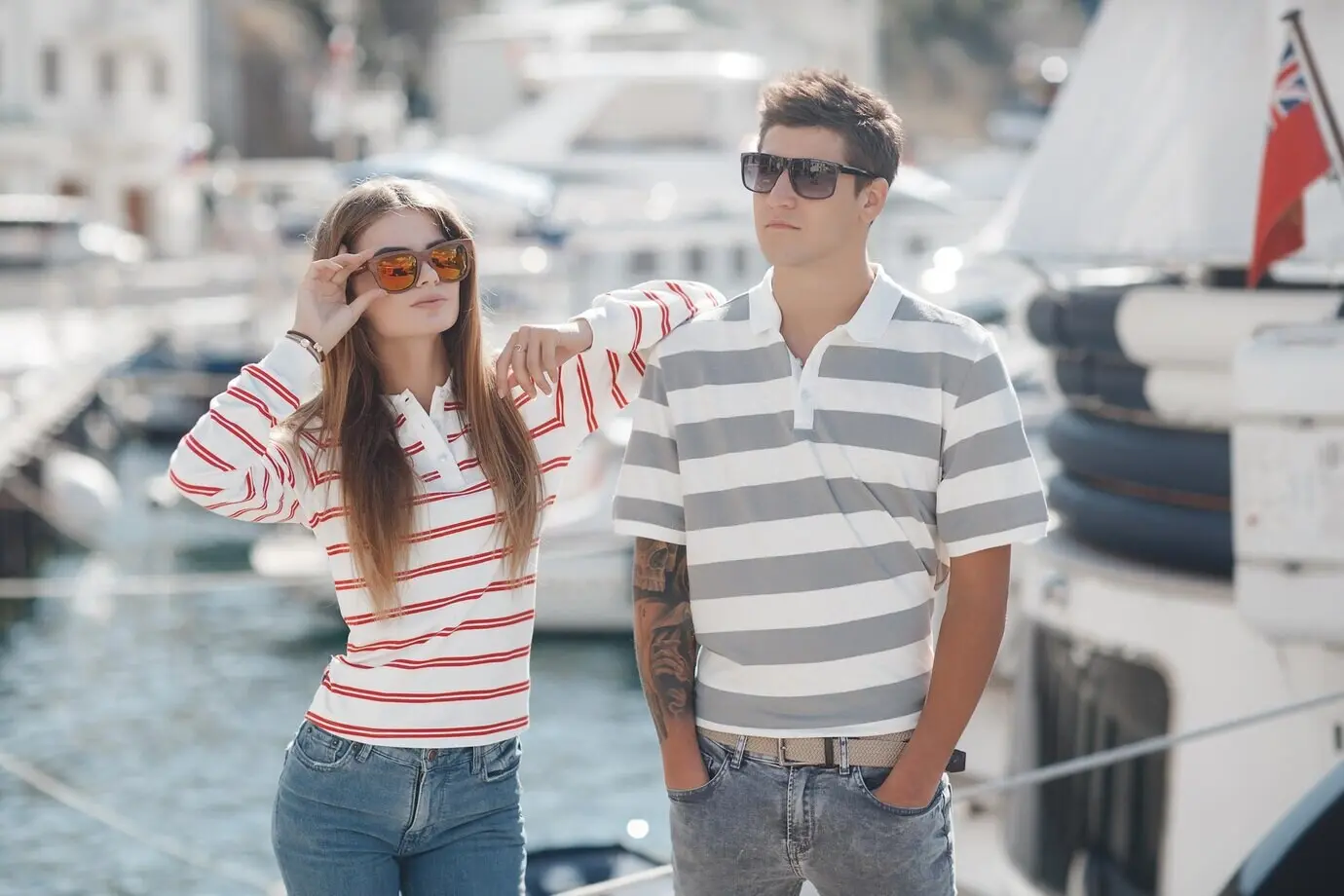
Fabric Science for Real-World Packing Wins
Footwear, Accessories, and the Small Gear That Saves Days
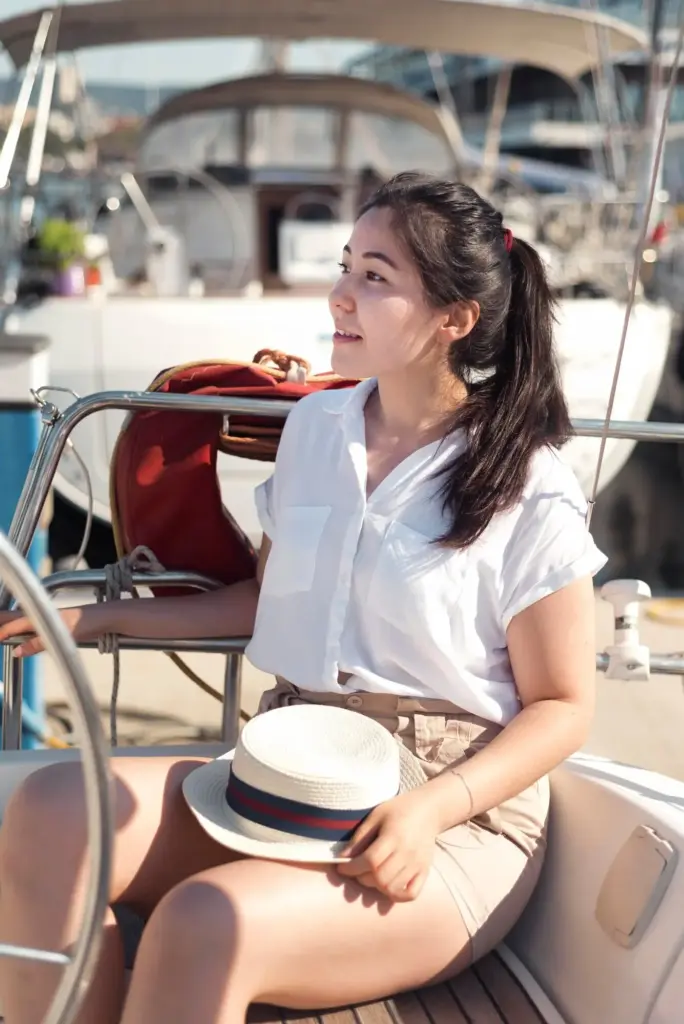
Shoes That Handle Wet Decks and Cobblestones
Accessories That Punch Above Their Weight
Rain and Sun Protection You’ll Actually Use
A Compact Capsule That Still Feels Like You
Color Palette and Mix-and-Match Magic
Anchor with two or three neutrals, then add one accent that flatters your complexion and brightens photos under gray skies. Metallic or leather accessories unify looks. When every top pairs with every bottom, layers rotate effortlessly as weather swings, maximizing outfits while minimizing weight and decision fatigue.
Compression, Cubes, and the Art of Access
Organize by function: warmth kit, rain kit, evening kit. Use medium packing cubes with mesh so you see contents immediately. Roll flexible pieces, fold structured ones, and keep the daypack pre-staged for excursions. Fast access means you actually use layers when the forecast pivots unexpectedly.
Laundry and Rewear Strategy at Sea
Plan one sink-wash session mid-cruise using quick-dry underwear and tops, plus detergent sheets that travel light. Confirm turnaround times for ship services. Merino rewears well; synthetics refresh quickly. Scheduling washes around sea days prevents stress, keeps outfits fresh, and preserves your compact packing victory all voyage.
Shore Excursions: From Drizzle to Dazzle Without Returning to Your Cabin

All Rights Reserved.